
Longevity
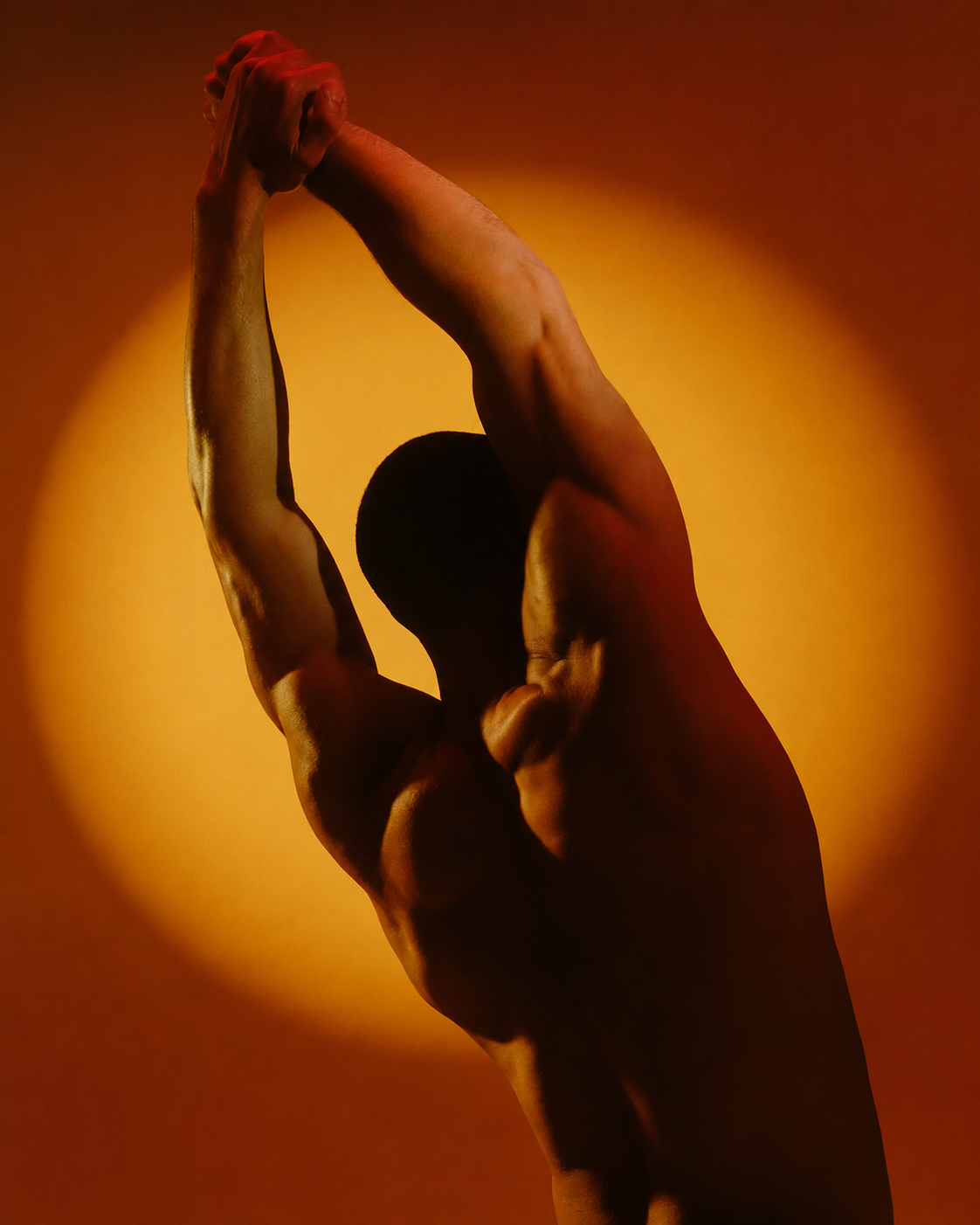
The Art of Living Well, For Longer
A modern guide to longevity, healthspan, and the daily rituals that support a vibrant life.
Longevity is not a trend, but a return to the essentials of wellbeing.
It is the art of living well for longer through simple, intentional daily rituals that support both body and mind.
Today, science is uncovering what ancient traditions have always known: how we live every day shapes not only how long we live, but how well we age.
What Longevity Really Means
Longevity is often misunderstood as simply “living longer.” In modern science, however, a key distinction is made:
Lifespan: how long you live
Healthspan: how long you live in good health
The real focus of today’s longevity research is healthspan, preserving energy, mobility, cognitive clarity, and emotional balance for as long as possible. According to the World Health Organization, healthy ageing is about maintaining functional ability that enables wellbeing throughout life. In other words, longevity is not about extending life at any cost. It is about preserving quality of life across decades.
Why Longevity Is Becoming a Central Topic Now
We are living through a major shift in health awareness. On one hand, people are living longer than ever before. On the other, chronic conditions such as metabolic disorders, cardiovascular disease, and stress related illness are increasing globally. At the same time, science has evolved. Researchers are now studying ageing itself as a biological process, not just individual diseases.
We can now measure:
Biological age (how old your body functions)
Inflammation levels
Metabolic health
Cellular ageing markers
Sleep and recovery patterns
This shift has transformed longevity into a proactive science rather than a reactive one. But while the tools are modern, the solutions are often not.
The Core Truth
Ancient Wisdom Meets Modern Science
One of the most powerful discoveries in longevity science is this: the most effective habits for long term health are often the simplest and the oldest.
Ancient cultures lived in alignment with natural rhythms:
They moved throughout the day
Ate seasonal, whole foods
Slept with the sun
Lived in community
Respected cycles of rest and activity
Modern life has disrupted many of these patterns. The opportunity today is not to reject modernity, but to reconnect ancestral wisdom with modern tools and scientific understanding. This integration is where true longevity lives.
The Five Pillars of Modern Longevity
1. Movement + Muscle: The Foundation of Vitality
Science today shows that muscle mass and strength are among the strongest predictors of healthy ageing. Muscle is not just aesthetic, it is metabolic, hormonal, and protective.
It supports:
Bone density
Glucose regulation
Balance and mobility
Cognitive health
Ancestrally, humans were constantly moving: walking, carrying, building, farming. Modern life requires intention to recreate this.
Modern longevity practice:
Strength training 2 to 4 times per week
Daily walking
Yoga or mobility work for joint health
Movement is no longer optional, it is biological maintenance.
2. Nutrition & Metabolic Health: Reducing Inflammation
One of the key drivers of ageing is chronic low grade inflammation. Modern research shows that diets rich in whole foods, fiber, and healthy fats support longevity by reducing this inflammatory load. Traditional cultures naturally followed these patterns through seasonal, unprocessed eating.
Modern longevity practice:
Whole food, plant rich diet
Adequate protein intake
Fiber for gut health
Fermented foods for microbiome diversity
Minimizing ultra processed foods
Longevity nutrition is not about restriction, it is about nourishment and balance.
3. Nervous System Regulation: The Missing Piece
Stress is one of the most underestimated accelerators of ageing.
Chronic stress affects:
Hormones
Sleep
Immune function
Cellular repair processes
Ancient lifestyles included natural rhythms of rest, silence, and seasonal slowing. Modern life requires intentional regulation.
Modern longevity practice:
Yin or restorative yoga
Breathwork
Meditation or stillness
Time in nature
Digital boundaries
A calm nervous system is not a luxury, it is a longevity strategy.
4. Sleep & Circadian Rhythm: The Body’s Repair System
Sleep is one of the most powerful biological repair mechanisms we have.
During sleep, the body:
Repairs tissues
Regulates hormones
Clears metabolic waste from the brain
Consolidates memory
Research consistently shows poor sleep accelerates biological ageing. Ancestrally, humans lived in alignment with the sun. Modern environments often disrupt this rhythm.
Modern longevity practice:
Consistent sleep schedule
Morning natural light exposure
Reduced artificial light at night
Prioritizing 7 to 9 hours of sleep
Sleep is not passive, it is regenerative biology.
5. Connection & Purpose: The Human Longevity Factor
One of the strongest predictors of long life is not diet or exercise, it is connection. Studies of long living populations consistently highlight:
Strong social ties
Sense of belonging
Purpose driven living
Humans evolved in communities. Isolation is a modern condition, not a biological one.
Modern longevity practice:
Cultivating meaningful relationships
Participating in community spaces
Engaging in creative or purposeful work
Sharing meals, movement, and time with others
Longevity is not only physical, it is deeply relational.
The Future of Longevity: A Hybrid Approach
What makes the modern longevity movement unique is the fusion of two worlds:
Ancient intelligence:
Natural movement patterns
Seasonal eating
Sun aligned rhythms
Rest and cyclical living
Community centered life
Modern science and technology:
Biomarker testing (blood, glucose, inflammation)
Wearables tracking sleep and recovery
Epigenetic age analysis
Evidence based strength and nutrition protocols
Research on cellular ageing and metabolism
The most powerful approach is not choosing one over the other, but combining both. Technology gives us insight. Tradition gives us rhythm. Science tells us what works. Ancient wisdom reminds us how to live.
Longevity is not about escaping ageing. It is about changing the way we age. At Malaïa, we believe the goal is not simply to add years to life, but to add presence, vitality, and depth to every year we live. Because the real question is not: “How long will I live?” But rather: “How well am I living today?”
Disclaimer: This content is shared for educational purposes only and should not be considered medical advice. Please consult a healthcare professional for any personal health decisions.
